1.Keep it proportional
Before you build an elaborate filing system, find out what your location actually requires. Some places want a portfolio of work samples; others want a simple daily log; a few ask for almost nothing at all. Check your local rules before you record a single thing — the requirements vary so much that one family's legal minimum is another's overkill.
Once you know what's compulsory, here's a useful truth: most families record far more than they need to, then burn out on the admin and abandon it entirely. A thin, consistent system beats a beautiful one you stop using in February.
2.The minimum viable record
Three things cover the vast majority of requirements, wherever you are.
A dated log. This doesn't have to be a narrative. A line per day — "read two chapters of Charlotte's Web, practised long division, nature walk, sketched three leaves" — is enough. A notebook, a notes app, a shared calendar: whatever you'll actually open.
Work samples. Not everything. A handful of pieces per subject per term shows progress better than a stack of every worksheet. Date each one on the back. The shoebox isn't a joke — a labelled cardboard box works perfectly. For digital work, a folder on your phone's camera roll, organised by month, is equally valid.
A reading list. Books finished, audiobooks listened to, documentaries watched with some intention. This takes thirty seconds to update and quietly demonstrates an enormous amount of learning over a year.
That's the core. If your jurisdiction asks for nothing formal, these three things still give you something to look back on — and something to show a curious grandparent, a re-enrolment officer, or yourself on a hard day.
3.What to skip
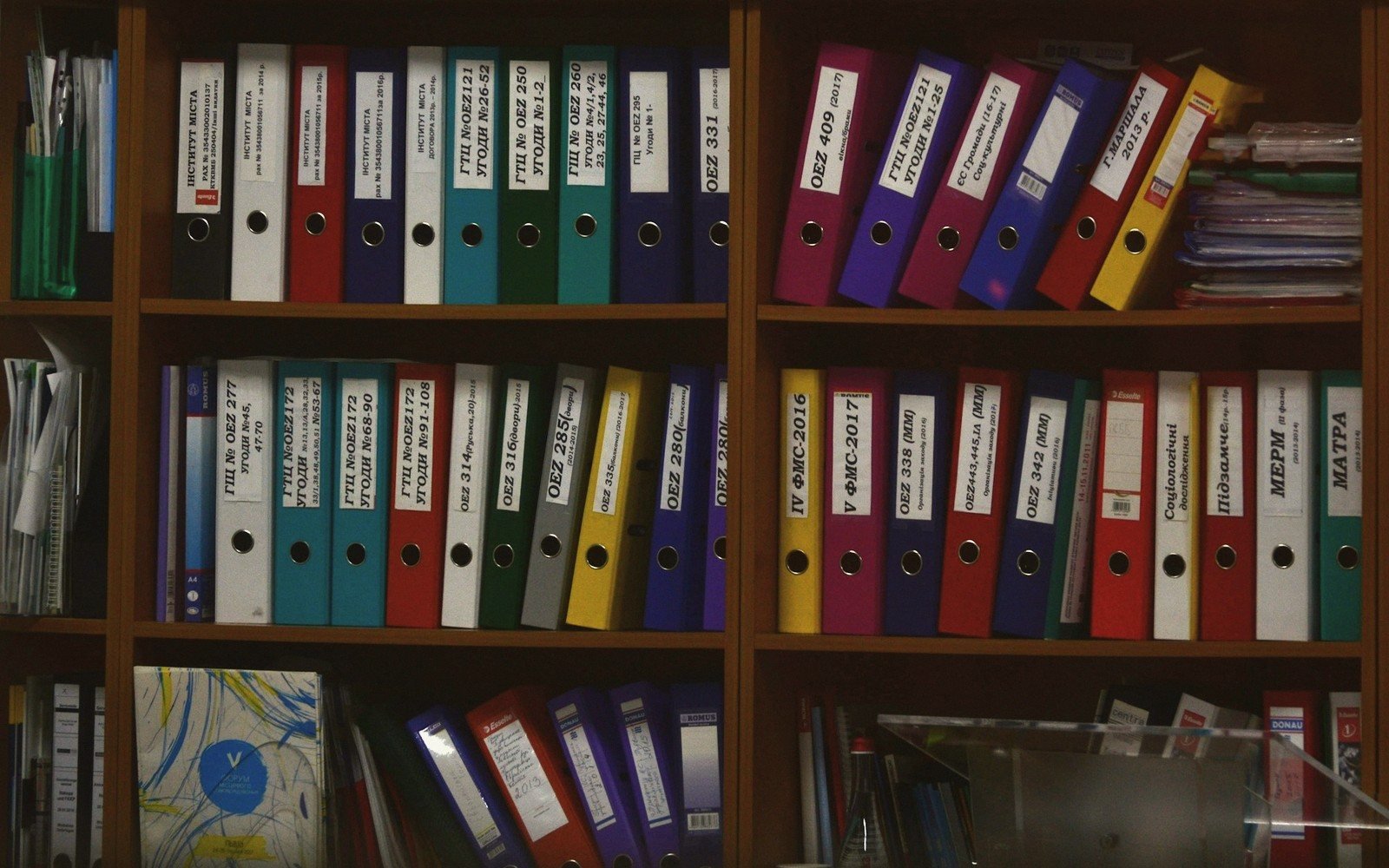
Skip the colour-coded binders unless you genuinely love them. Skip grading everything — assessment is different from record-keeping. Skip logging time by the minute; broad subject areas per day are almost always sufficient. And skip the guilt when a day goes unrecorded. Write a summary at the end of the week instead, and keep moving.
Record-keeping is evidence, not performance. Its job is to show that learning is happening — and learning, in a working homeschool, almost always is.