1.Make it concrete, keep it short
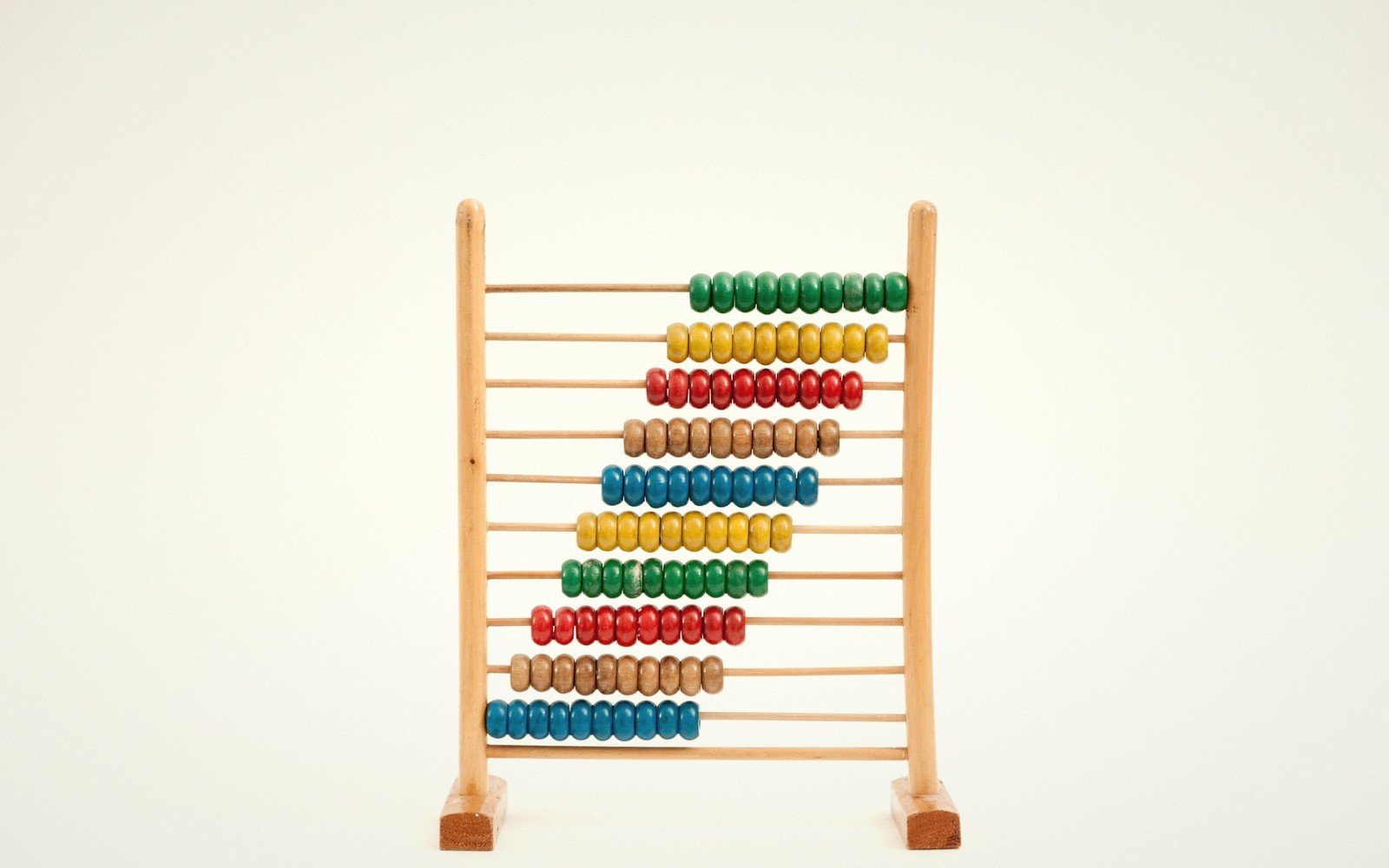
Abstract symbols are genuinely hard for young brains. Before a child can reliably add 7 + 5 on paper, they need to have handled the idea — with counters, dried beans, an abacus, interlocking cubes, or coins from your pocket. Manipulatives are not a crutch or a sign of struggle; they are how mathematical understanding actually forms. Move to pencil-and-paper only once the concept is solid in the hands.
Mastery matters more than pace. The temptation is to keep moving through a curriculum, checking boxes. But a child who half-understands fractions will hit a wall the moment fractions meet algebra. Better to slow down, circle back, and arrive at the next topic on firm ground. If your child can explain why an answer works — not just recite it — they've got it.
Then there's the hard day. Every home-educating parent eventually faces a lesson where tears appear before the workbook is even open. The ten-minute rule is simple: set a timer, do ten genuine minutes of maths, then stop. No lecture about importance, no push to finish the page. Tomorrow, try again. A short session beats a long battle every time, and preserving the relationship with the subject matters far more than finishing the worksheet.